


Maybe They Have a Language
May 07, 2026
By:
Rachel Phillips
Educators: Mrs. Iishi, Mrs. McRae
Children: Ara, Bailey, Carmen, Daniel, Elizabeth, Gabriel, Henry, Huxton, Jackson, Jai, June, Lina, Luke, Mariah, Mia, M., Rjsen, Quanhing, Rowan, Sasha*
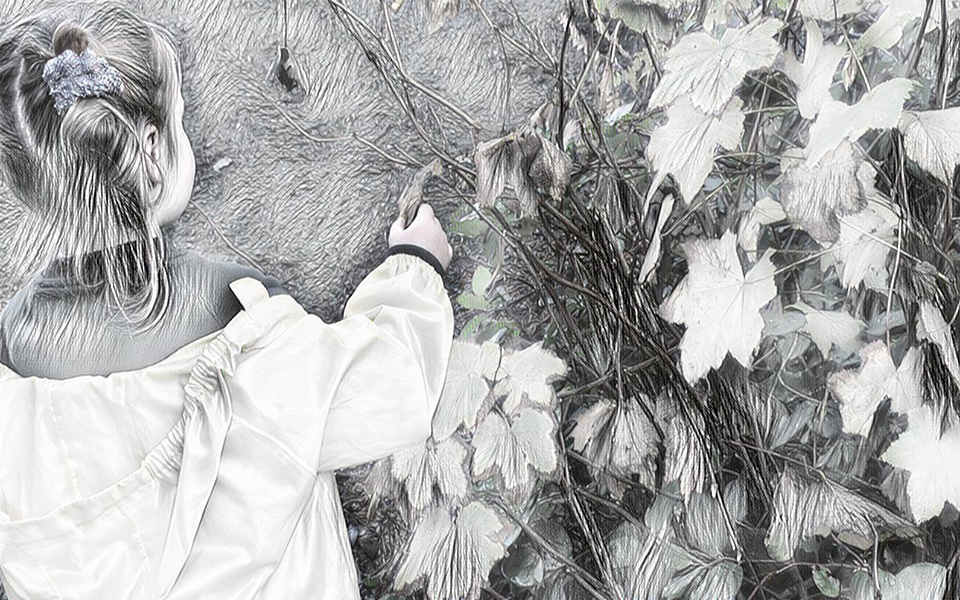
Aspengrove is a forested campus in the central region of Vancouver Island on the traditional lands of the Snaw-Naw-As and Snuneymuxw Nations. Here, two preschool classrooms spend extended time outdoors. Cameras often accompany us—children, educators, pedagogist—to the forest, helping us to document patterns on fallen foliage, worms under logs, spiders on leaves. Notebooks travel with us too, holding sketches, notes, and questions. Cameras and notebooks trace what is noticed, make visible what draws our attention, and help us stay with these details over time, further shaping our collective experiences and shared conversations.
The educators and a pedagogist engage with a pedagogical commitment to attending to the children’s relationships with the more-than-human world. Grounded in a Common Worlds framework, this work hinges on children’s situated relations—with place, materials, ecologies, other humans, nonhumans—that emerge as ongoing entanglements.
Listening to Collective Conversations in the Forest
We are gathered on a tarp, dressed in boots and rain gear. Ara turns our attention to the changing conditions we encounter in the forest:
“It is sunny now, but it was cold…”
A conversation emerges:
Daniel: “Soon the leaves will fall off all the trees.”
Huxton: “And then they will be covered up.”
Daniel: “The trees will be raked, with no more leaves on them.”
Carmen: “The leaves will fall.”
Mia: “But where do the leaves go?”
Carmen: “The snow comes and covers them up.”
Huxton: “The leaves get covered by all the snow and then they come back alive.”
Daniel: “And then all the leaves go back on the trees.”
Huxton: “Then they fall off…”
Ara: “And fly off and on again.”
The children are noticing seasonal shifts – leaves falling, being covered, and returning. These changes call us to return repeatedly to the forest, and the forest draws our attention to how leaves, roots, and other forest beings interact across time.
Mia: “This is the humming tree.”
Ara: “Their roots make them hum.”
Rjsen: “Their root looks like a carrot.”
Staying with the children’s observations draws us deeper into the forest’s quieter details. Their conversations attune us to notice patterns, movements, and traces that reveal how trees are entangled with smaller moving presences nearby.
Huxton: “A dragonfly went on me!”
Ara: “Don’t worry, dragonflies don’t bite.”
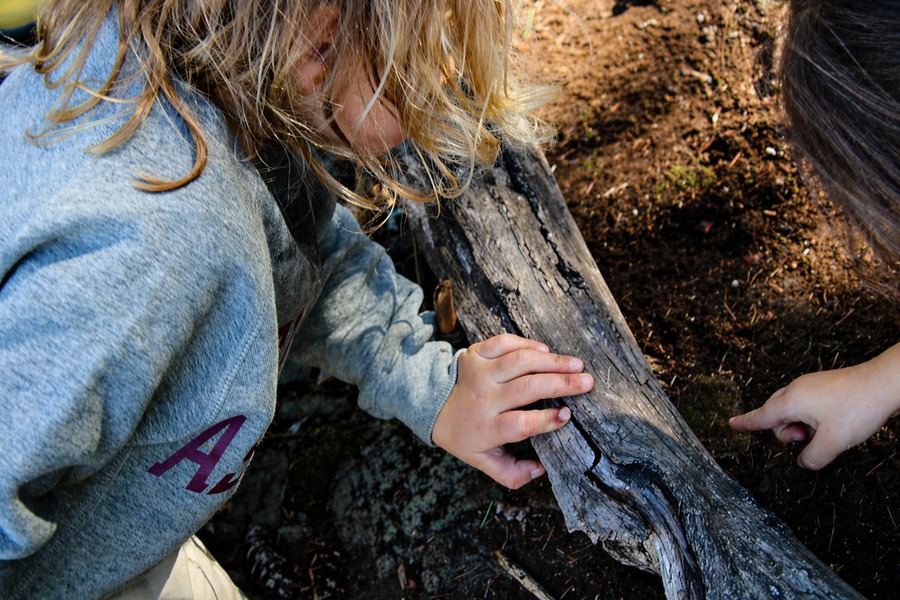
Rowan: “The wood bugs like wood, they chew it.”
Henry: “Ants are good for the earth.”
Rowan: “They live in the dirt.”
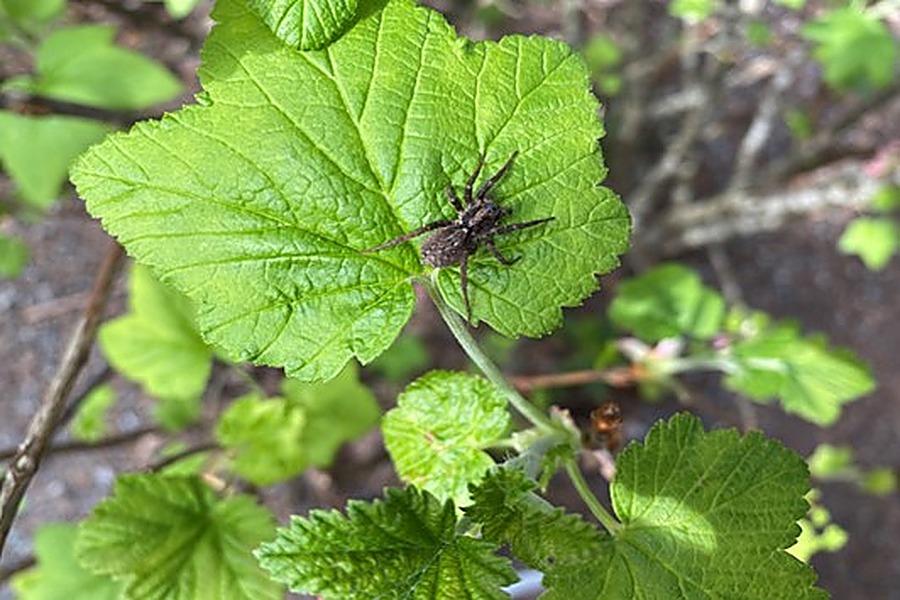
In the forest, we stop often, bending close to see what moves: spiders, earthworms, beetles, ants, leaves that rustle when touched. We notice these movements in our preferred ways: Some crouch for a long time, watching, waiting; others move quickly from spot to spot. Our own movements are our ways of dwelling with the damp earth, the stumps, the logs, and the beings that inhabit them. In this dwelling-with, we notice and respond, slow our pace, adjust our bodies to follow trails, lift rocks, move leaves and branches, pausing often to notice interactions between forest beings.
Spider and Worm Relations
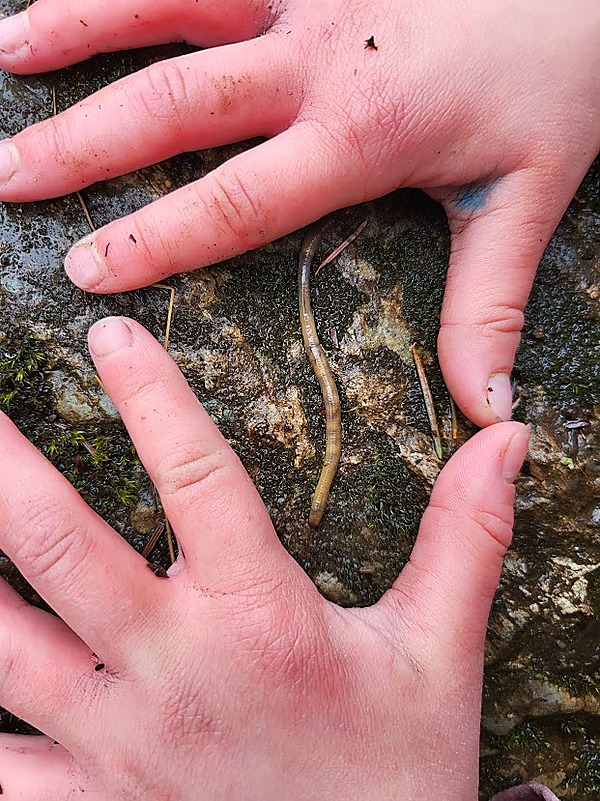
Questions circulate as children respond to details that draw our attention. Our conversations carry wonderings, contradictions, and care.
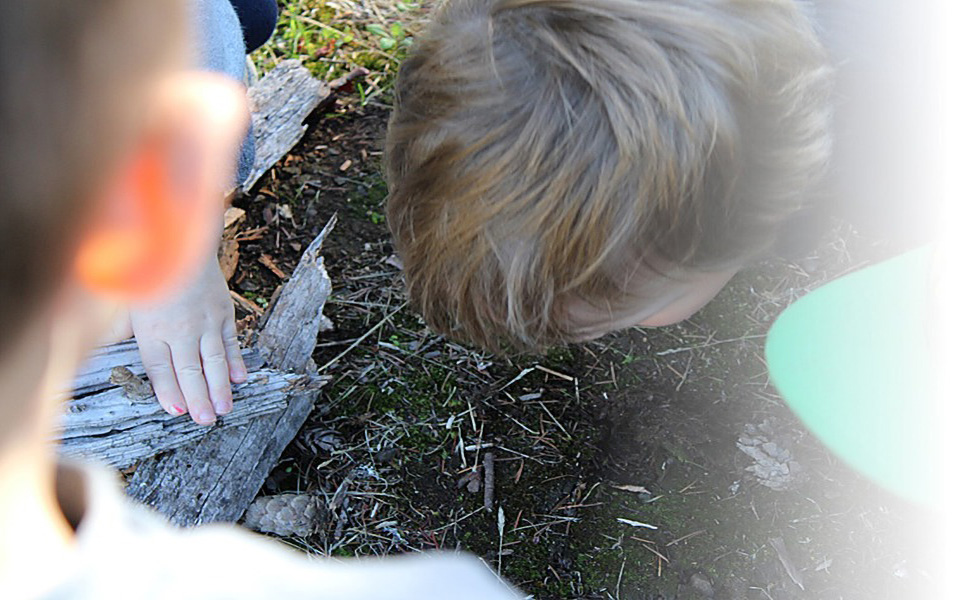
Rowan: “I found a big worm and a big spider in the dirt.”
Ara: “Worms have mommies and daddies and grandpas and grandmas, and they are scared of birds when birds come to eat them.”
Mia: “Yeah, they like to hide in shells when they are scared. Like unicorn shells, and rainbow shells, and tiger shells.”
Daniel: “Worms hibernate because when I explored the meadows, the worms were hibernating in our tomatoes.”
Rowan: “I found a tiny worm who lives here. We have to move this rock, so they don’t get dead.”
Ara: “What do worms eat? Maybe they like to eat dirt?”
Mia: “Spiders eat worms.”
Jackson: “No they don’t, they eat bugs.”
Through our ongoing attention, relations between children and forest beings are enacted, tested, and sustained.

Rowan: “There’s spiders downstairs at my house. They crawl in the entrance in my garage. They’re very fast.”
Carmen: “Spiders tickle.”
Jackson: “I want to find some spiders and beetles.”
Carmen: “I’m looking for spiders’ homes.”
Jackson: “I think this hole is his home. I think all these holes are his home.”
Our conversations with worms and spiders keep us close to the ground, where we notice small, sometimes overlooked details, like holes in stumps. These details call us to notice and name, to bring past encounters into conversation. They guide what we attend to next. Often, we return to them later, bringing photographs, recordings, and notes about these relations—to look again, and continue thinking with them.
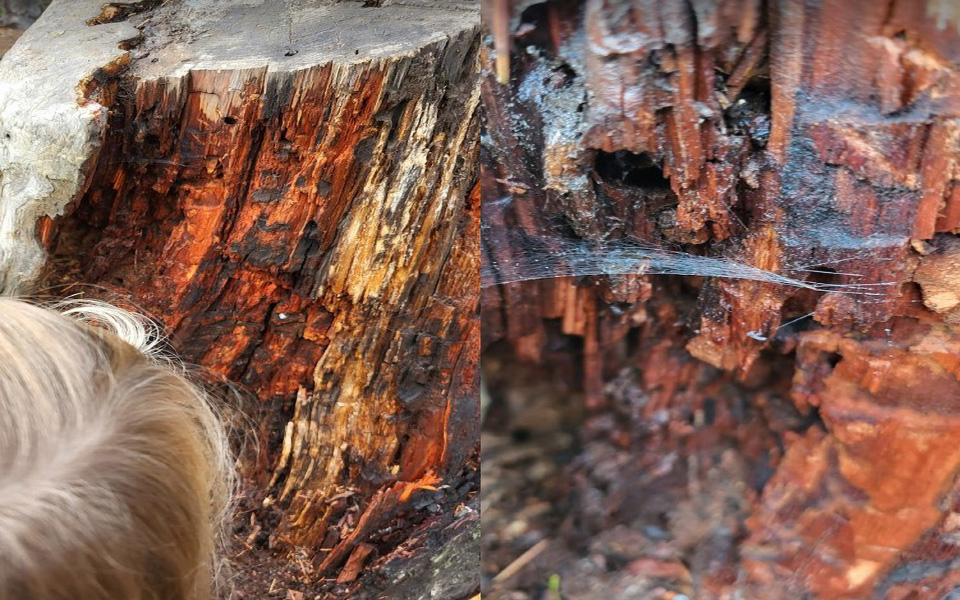
The children look closely at a spider they encounter on a stump.
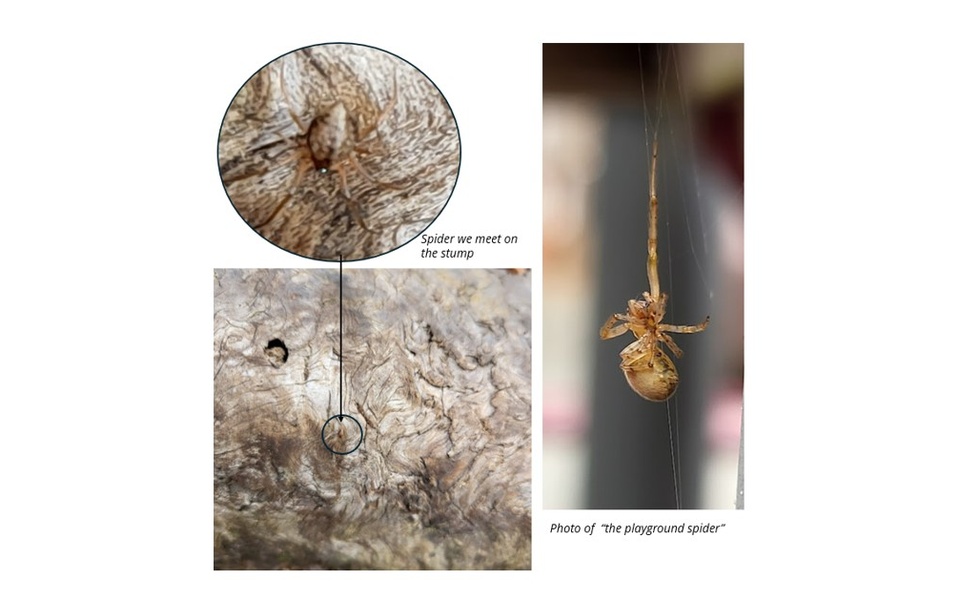
Jackson: “I wonder what kind of spider is that spider?”
Mia suggests we compare this spider to one we encountered on our playground last year. Through repeated interactions emerging in practices of drawing, counting, and movement, the playground spider has become familiar and remains a point of return in our shared thinking.
“Can we look at the picture of the playground spider?” Mia asks.
Together, the children compare past and present representations, noticing similarities and differences.
“He is a bit different than that one,” Ara observes, while Carmen notes, “He’s small.”
Encounters with Slugs
Slugs are another creature we encounter in the forest and on the playground. Conversations about slugs unfold across classes and days, drawing out shared questions and ideas.
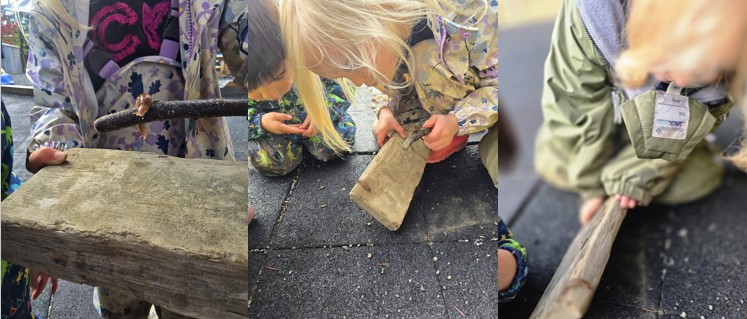
Jackson: “He’ll get your face all slimy.”
Mrs. McRae: “He’ll get your face all slimy if you touch him?”
Jackson: “I need to pick him up.”
Mrs. McRae: “Jackson, well I think if we do that, we might end up squishing and hurting him. When we look at bugs, it’s okay to look closely, but it’s not okay to squish them.”
Rjsen: “Then he’ll be scared.”
June: “Look, that is his face. There, those pointy things he’s got there, those pointy things are his pointy things, so that’s his face.”
Rjsen: “Those pointy things are his eyes.”
Daniel: “No, the pointy things are like two little noses.”
Rjsen: “No! The pointy things are the eyes.”
Mrs. McRae: “Can we closely look at him? Let’s see if I can get a good picture of his face. He’s looking right at me. Try to find a place where he’s not gonna get squished, but you can still watch him.”
Daniel: “Turn it over (the wood) and see where he is going now.”
We look for slugs on the playground. Jai and I (Mrs. Phillips, the pedagogist) walk along the paths, pausing to crouch on the woodchips. Near the edges of the planters, we look carefully, peeking behind foliage and scanning the soil. As we move, Jai shares ideas and questions about slugs.
Jai: “I found a slug early in the morning. I saw a banana slug earlier, they had just stripes on them, sticky stripes. They were white and some black. And their ears were poking out from their head. They don’t fly in the sky, they slide far away. They like to bury things. I have lots of questions about slugs. Like I don’t know much about them spots. Just that they are black and white.”
In Mrs. Iishi’s class, we gather to look at documentation of slugs and spiders we’ve encountered in the forest. Jai and Mrs. Phillips tell the other children about their conversation, and Mrs. Phillips asks, “I wonder what other questions there are about slugs and spiders?”
Studying the photographs closely and sharing observations, we linger with images of slugs and spiders. A conversation emerges.
Rowan: “I love spiders.”
Jai: “I know that they (spiders) make webs like Spiderman does. But Spiderman does flips, and slugs, they slide.”
Huxton: “I think it looks like a cookie spider. Like the larger one is trying to eat it!”
Bailey: “That’s not nice! I think they could just be talking to each other.”
The children theorize how nonhuman beings might communicate in their own ways.
Rowan: “Maybe they have a language?”
Rowan: “Can they talk to the slugs?”
Huxton: “I know a story about slugs! They talk to spiders in their language. They go goo-goo gah-gah.”
Huxton: “They go goo-goo gah-gah. They have a language!”
Rowan: “Maybe they are quiet all the time?”
Huxton & Bailey: “Nah, they go goo-goo gah-gah.”
Mrs. Iishi’s class shares their thoughts with Mrs. McRae’s class, extending the conversation and inviting other perspectives. Through this dialogue, we work towards collective theories around language and communication.
What Might Slug and Spider Language Look Like?
Honouring children’s ideas as legitimate forms of knowledge, the educators and pedagogist take the children’s theories on the languages of slugs and spiders seriously, inviting them to draw what they imagine the languages of these local creatures might look like.
Mia draws slugs talking to spiders.
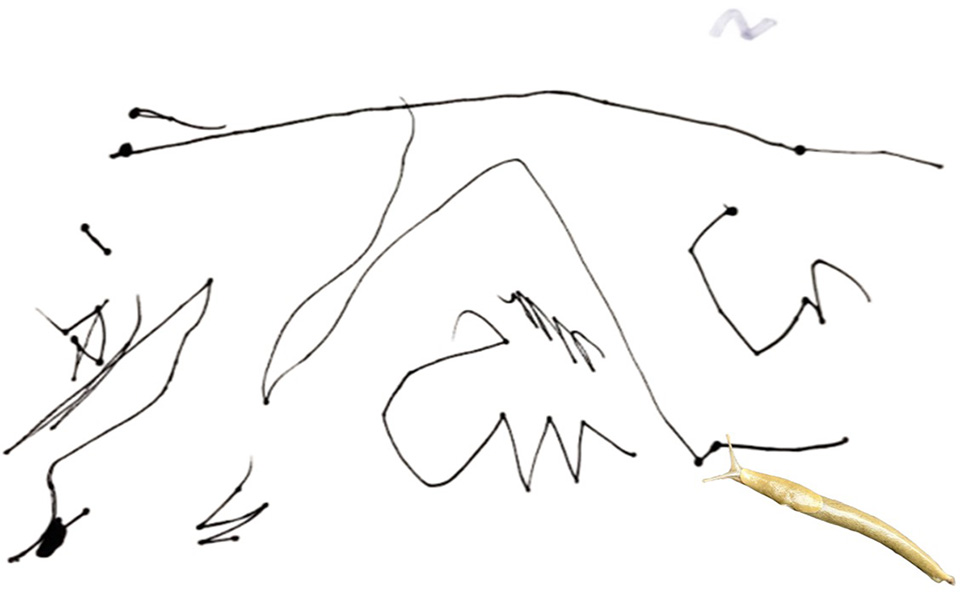
Mia: “Slugs do use language so they can talk to the spiders. Their language goes up down up down.”
Gabriel draws a slug with two straight lines, followed by a smaller slug coming from the larger slug’s mouth, representing “slug language.”
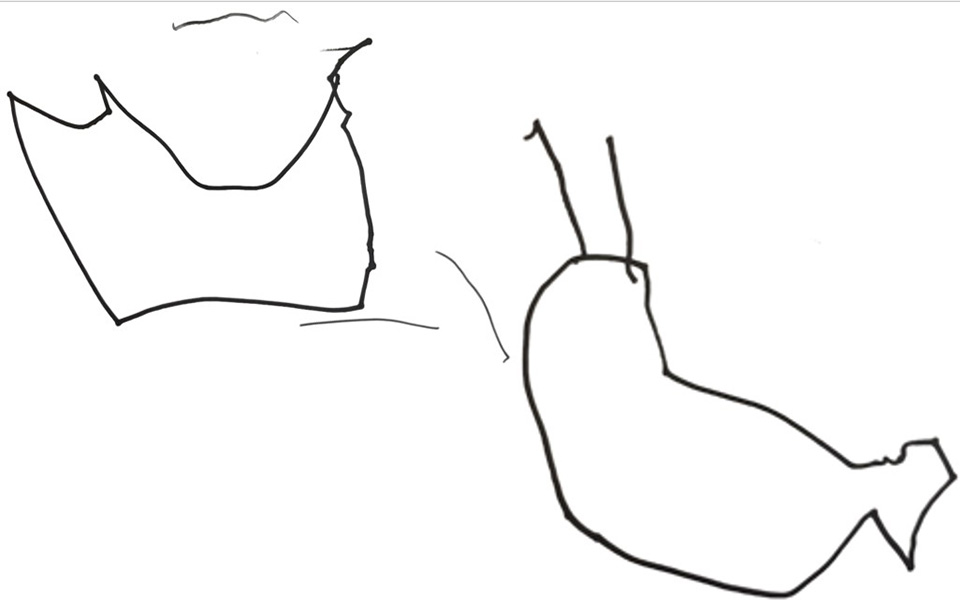
Gabriel: “This is slug language, a slug with two sticky lines.”
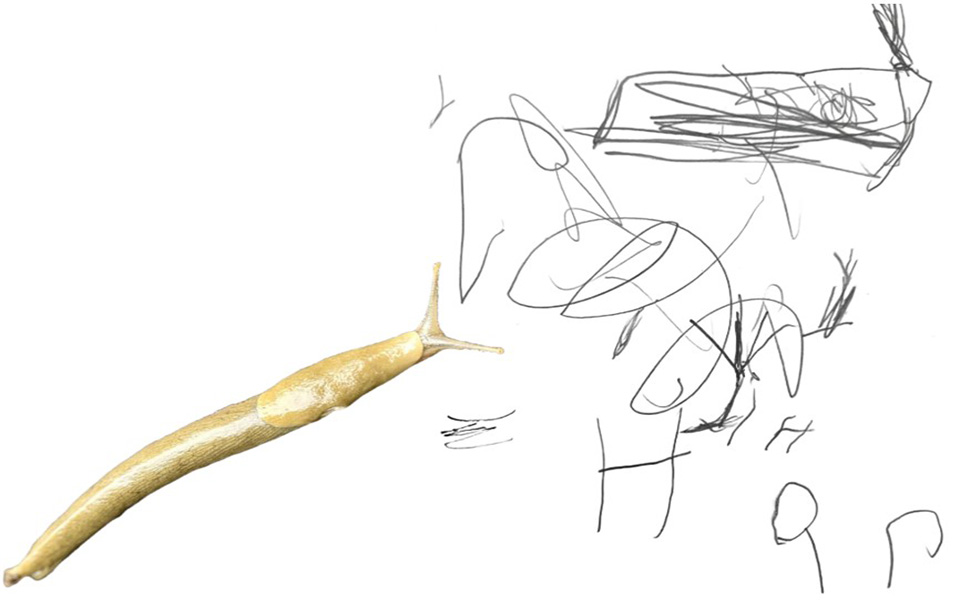
Gabriel: “Slug languages.”
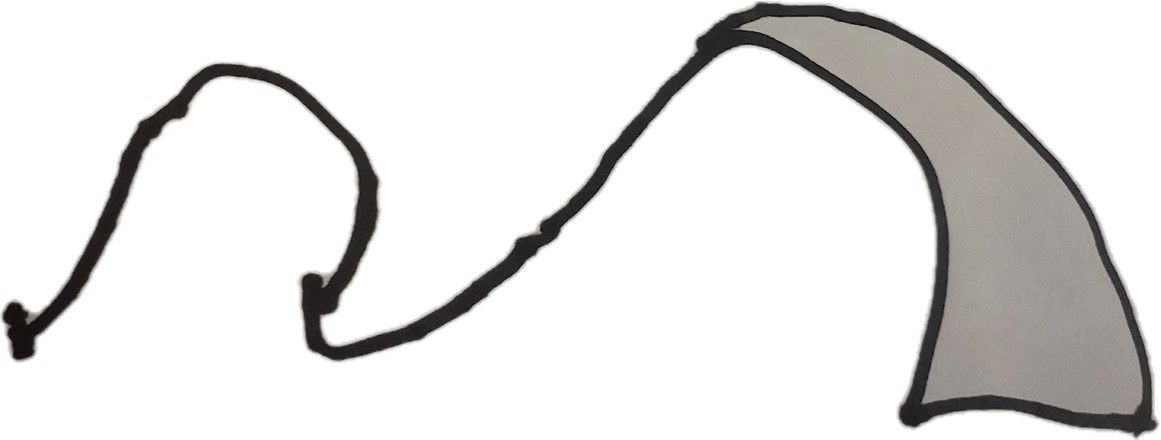
Rowan: “Slug language is black probably. But I wonder how they talk, maybe they pull their antennae in?”
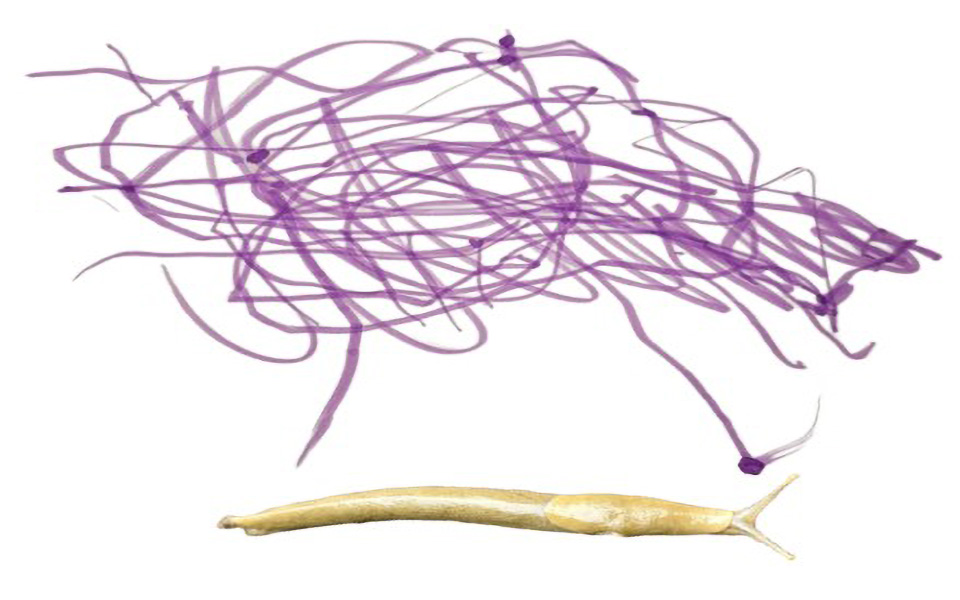
Jackson poses a theory: “The slug’s language is the slug’s trail. This is the slug’s trail. He is going all the way up and all the way down on the trail. The slug is saying ‘Let’s go outside.’”
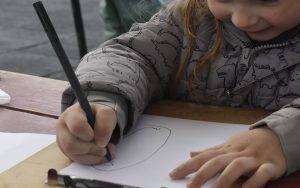 Jackson’s theory—that the slug’s trail is a language—invites a different orientation to both slugs and drawing. If the trail is language, then the children’s drawn lines are not simply illustrations but speculative extensions, ways of staying with the idea of movement leaving something behind, of traces carrying meaning. In attending to slug trails as possible messages, drawing becomes a way of considering how communication might take form beyond human language—through lines, paths, and residues that stretch, fade, or are washed away.
Carmen: “This is a banana slug. He has to have legs because he is going.”
Daniel: “When slugs leave a place, they leave a trail that is sticky. Don’t forget to draw that.”
Carmen: “I don’t know how to do that. I don’t know how to draw that sticky stuff.”
Daniel: “It is just a trace. It’s a sticky line. That is the trace.”
June: “The sticky trail is called slime. I am making the slime trail.”
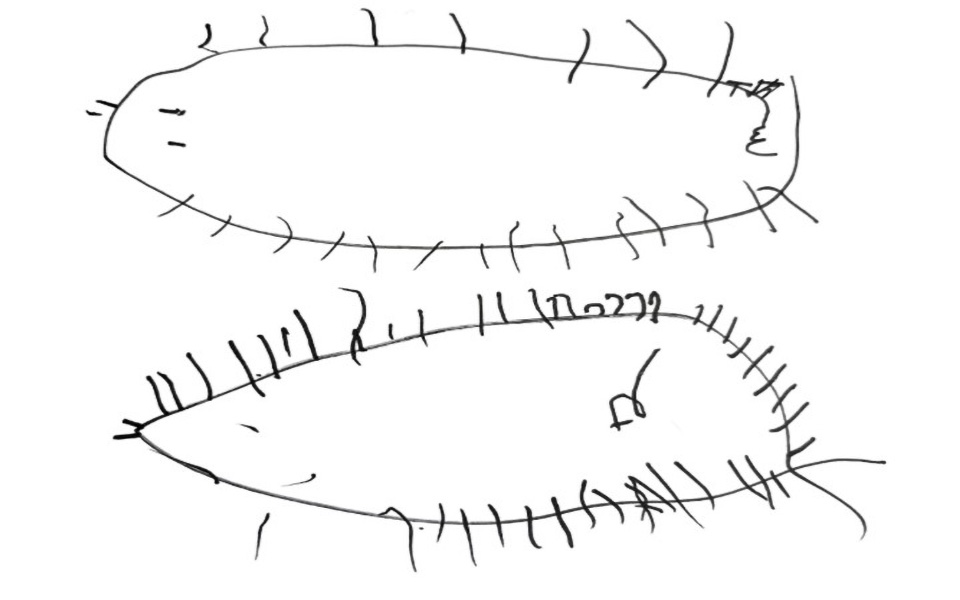
Carmen draws a banana slug with legs “because he is going.”
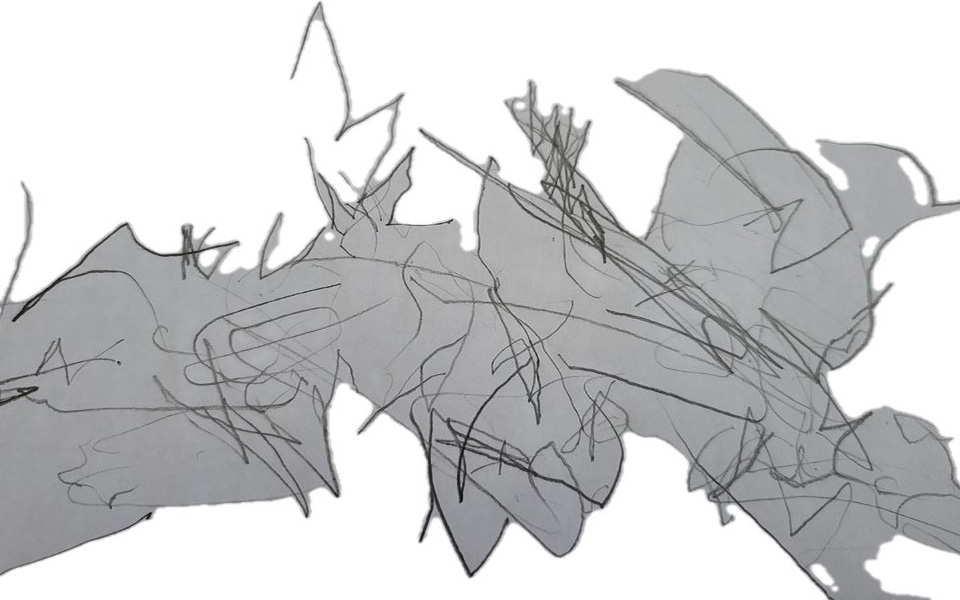
June draws a slug’s sticky slime trail.
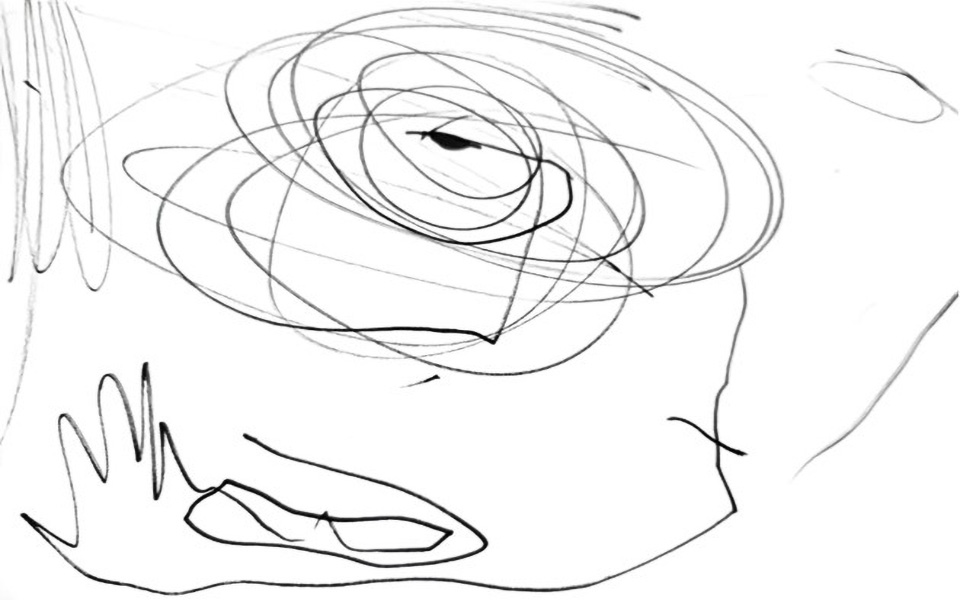
Mia draws a slug trail.
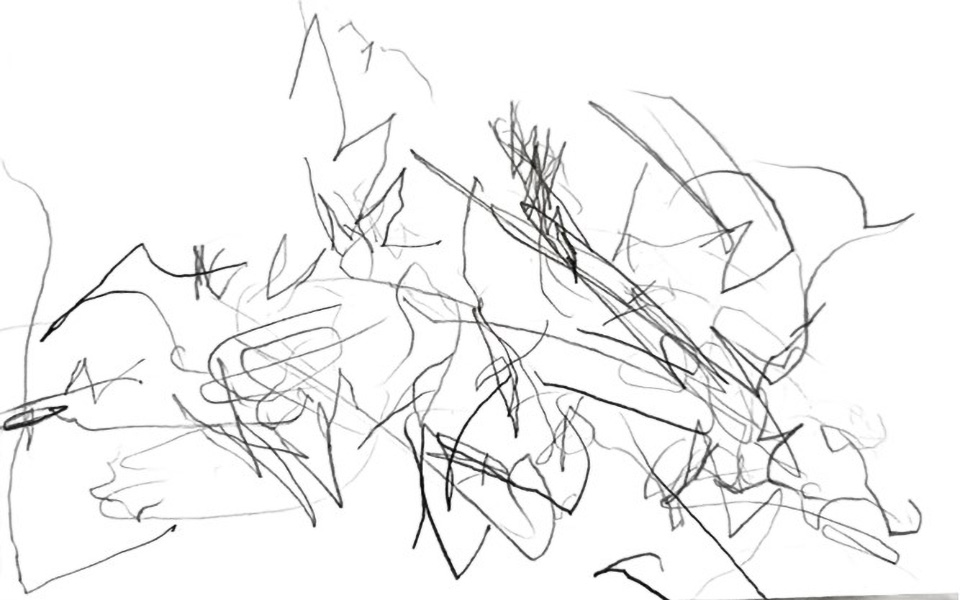
Jai draws a crazy slug trail.
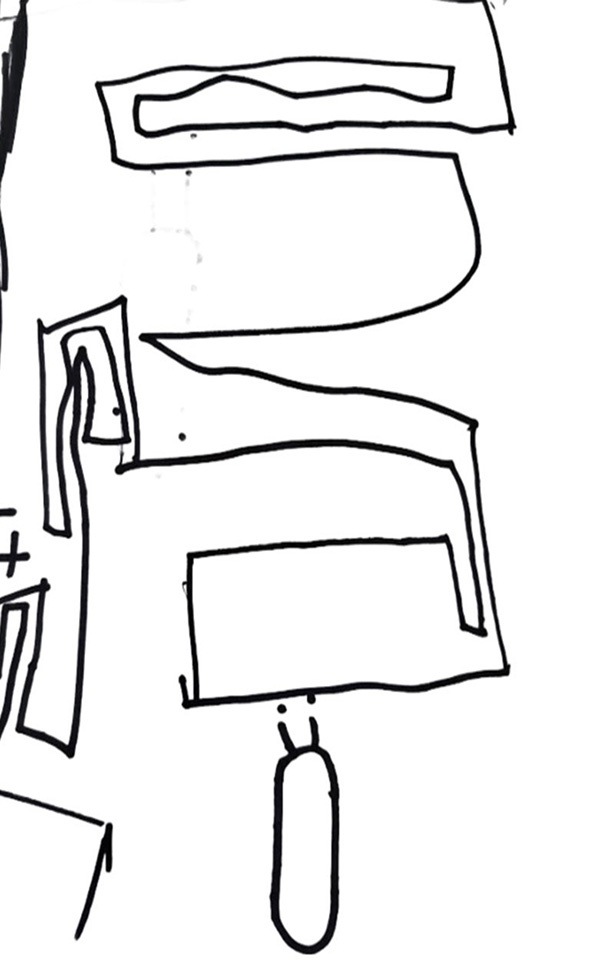
Bailey draws a slug trail map.
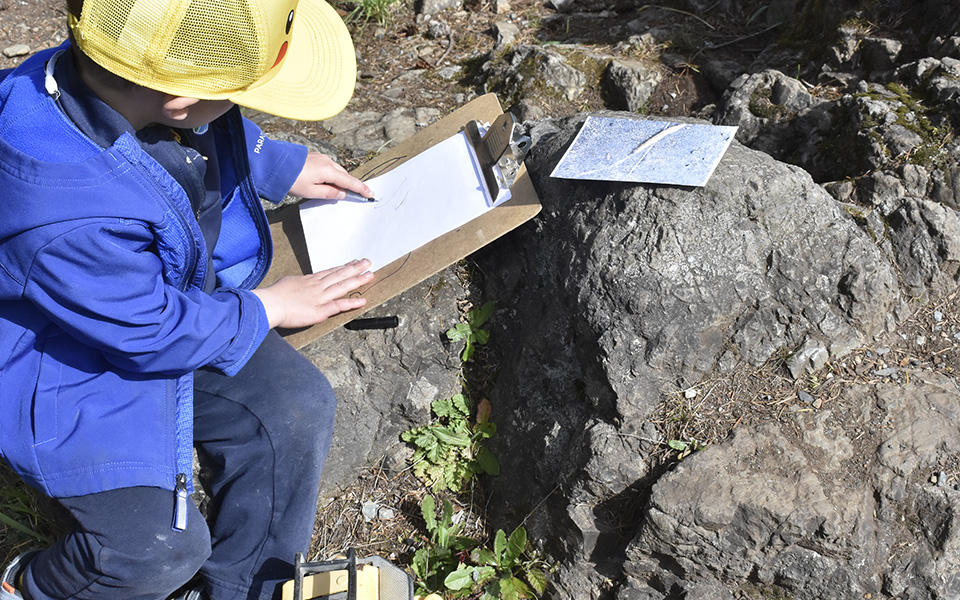
Gabriel suggests we bring clipboards to the forest so we can continue drawing and thinking about the languages of slugs and spiders as we move through the forests of Aspengrove.
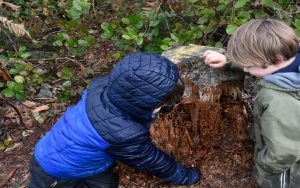 Bailey: “We found a baby spider web with frost outside.”
Rowan: “The spider makes a web and spins it until it’s ready, and when the fly comes, they can’t get out.”
Gabriel: “Spiders’ language is spinning a web.”
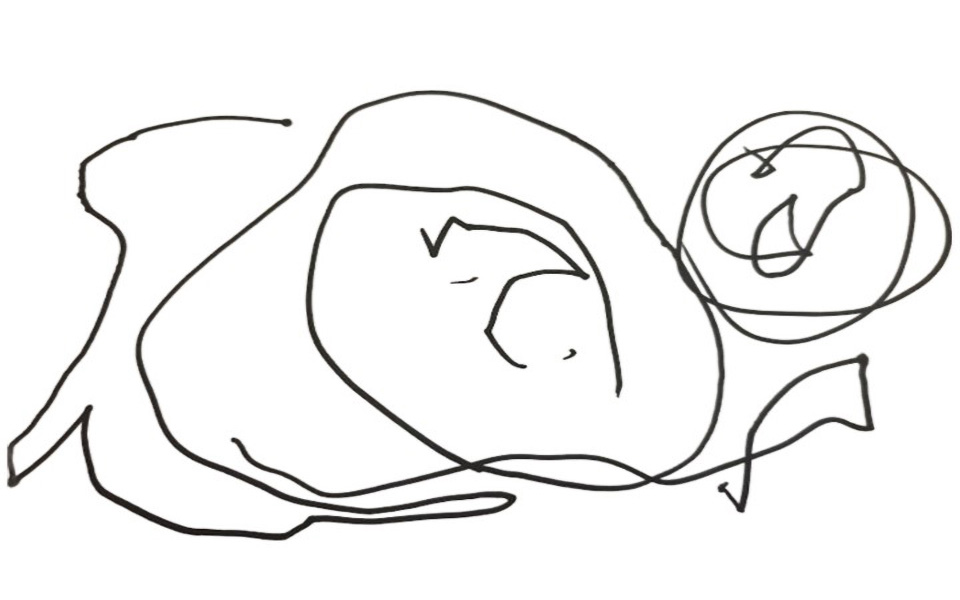 Gabriel: “Spiders’ language is spinning a web.”
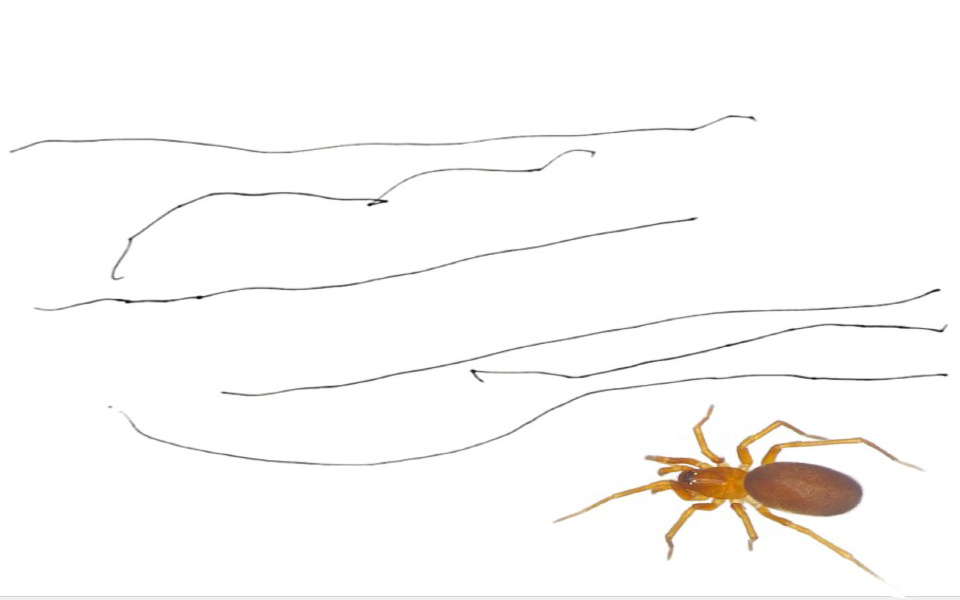 Jackson: “This is the spider’s language they speak in waves.”
We regularly return to photographs taken in the forest to revisit and extend our shared knowledges of spiders and slugs and our encounters with more-than-human beings.
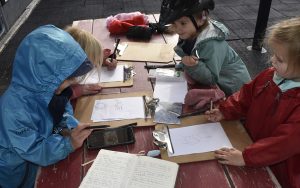
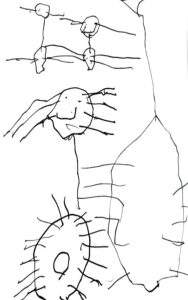
Daniel: “I’m drawing a spider, but I need to look up the photo from the playground.”
Daniel: “I’m drawing a spider family, and a baby, and another baby.”
Mariah: “Your spiders keep hatching!”
Daniel: “I’m going to need to draw an egg.”
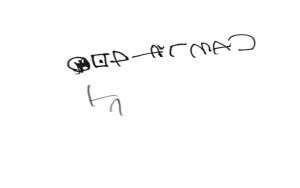
Carmen: “It’s spider language. It’s a message, it is saying spiders don’t just crawl, they stand and spin.”
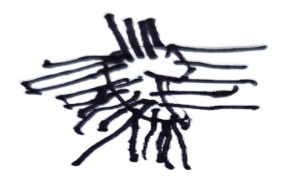
Mariah draws a spinning spider.
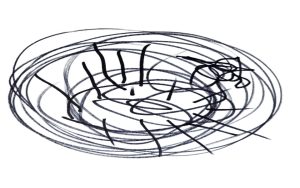
Elizabeth draws a spider spinning a web.
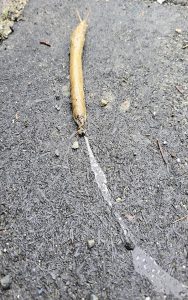
A slug traces slowly across the playground, as we gather to follow the trail left behind. Some of us wonder aloud:
“Maybe they are leaving a message?”
To linger with the idea of nonhuman messages, we return to the slug photo with paper, pencils, and fine liners.

Elizabeth: “This is slug messages.”
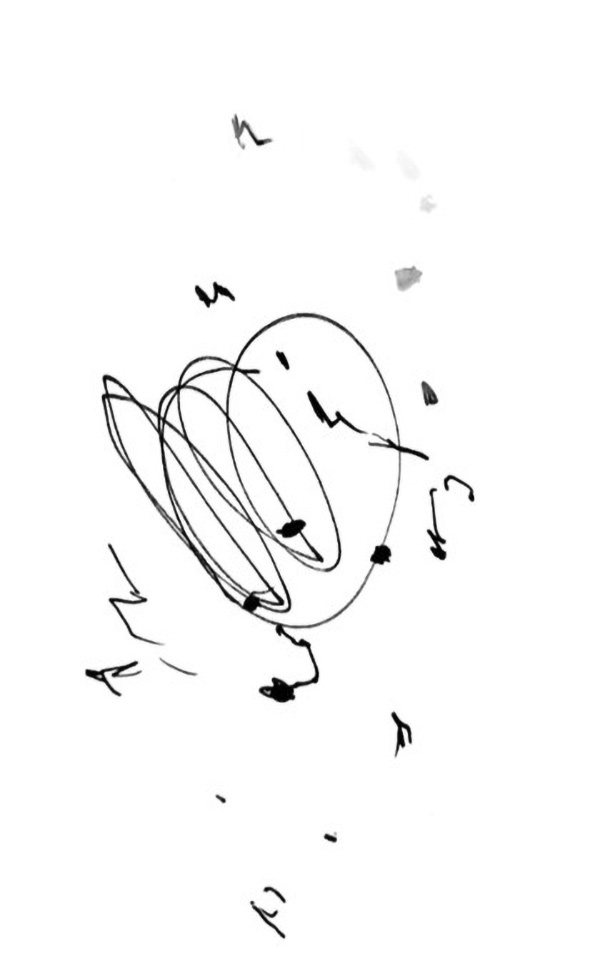
Mia: “The slugs messages look like little balls.”
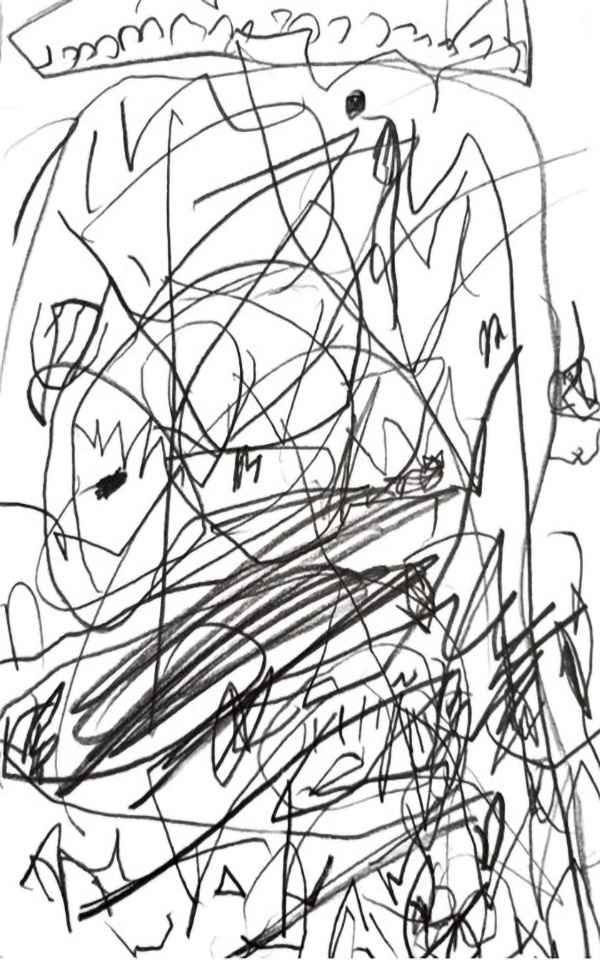
Lina: “The mark is a message and it means yes. The slug has a yes message. The message lives inside him.”
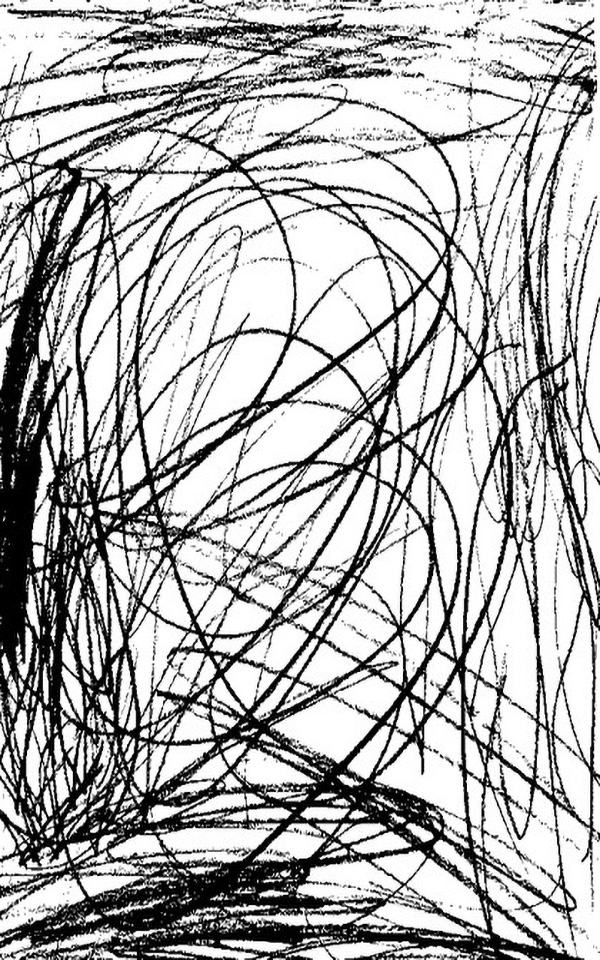
Ara: “It is the slug’s message. It goes booka-shooka. It means hmm, hmm, hmm.
Jackson: “He leaves a slug trail. The trail washed away from the rain.”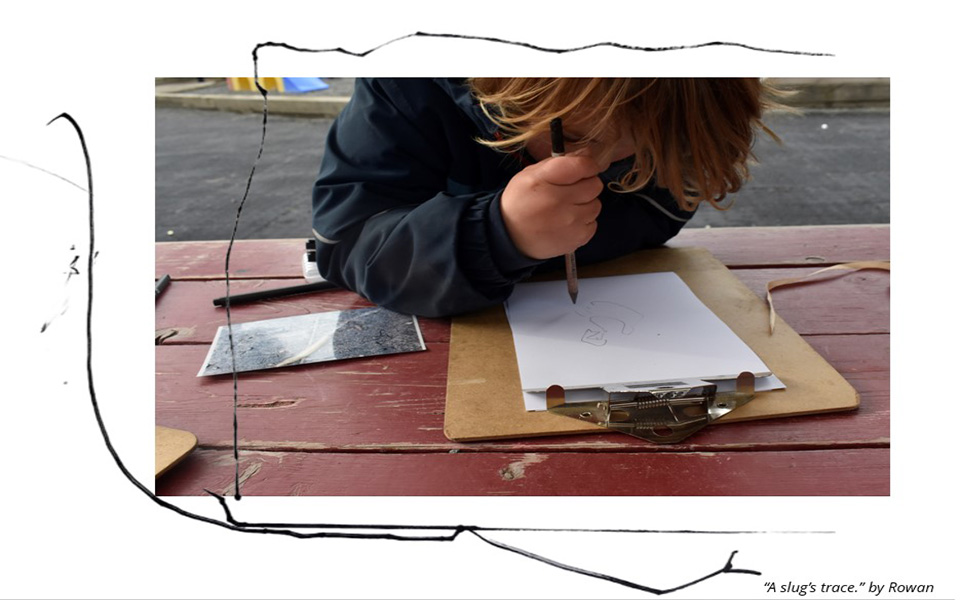
Rowan: “You can’t see the message anymore because the rain came.”
Henry: “They hide from the rain … that is the slug trail. He went all the way—he went all over the place. I’m drawing it even longer, and he goes all the way around.”
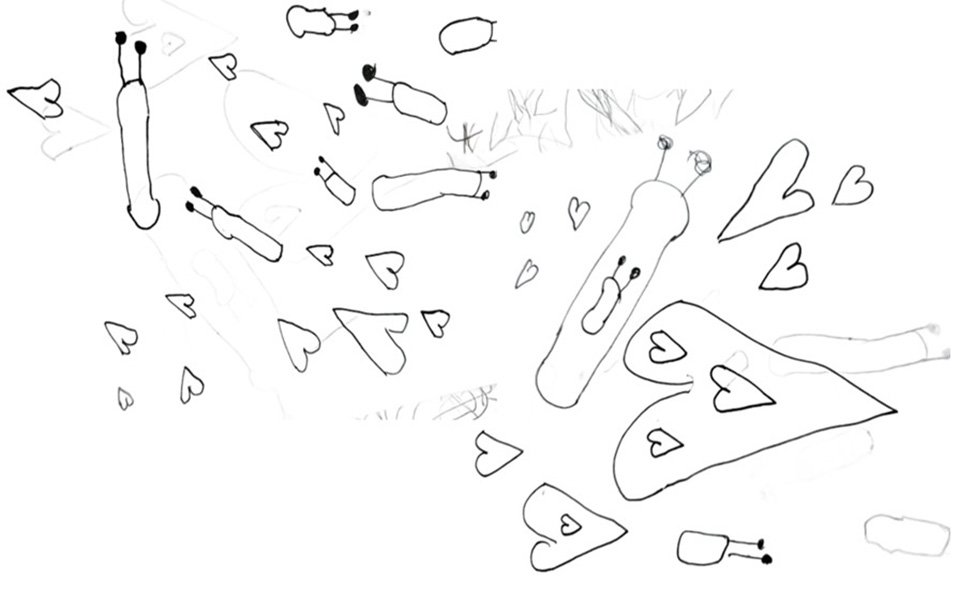
Bailey: “I’m making hearts for the slug. The hearts are his messages. He is eating the hearts. The messages are for their babies. I’m making the baby slug. I’m making heart messages.”
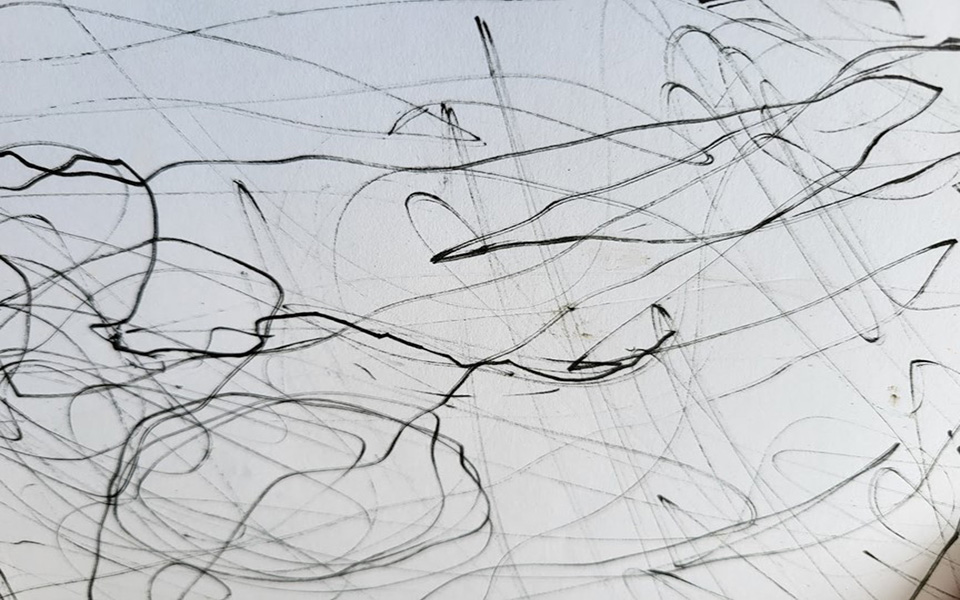
Elizabeth: “It’s message is a map. It’s a slug trail map.”
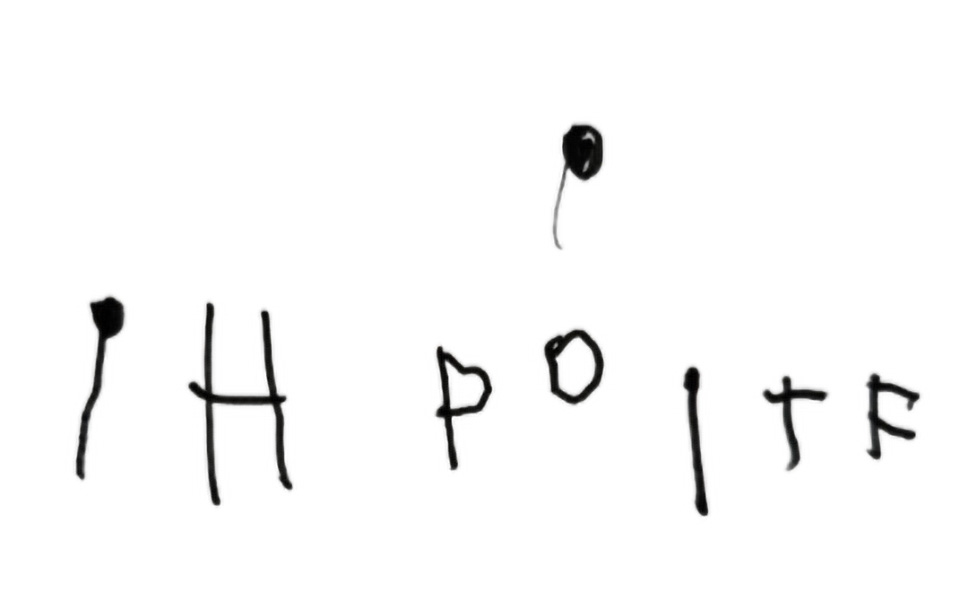
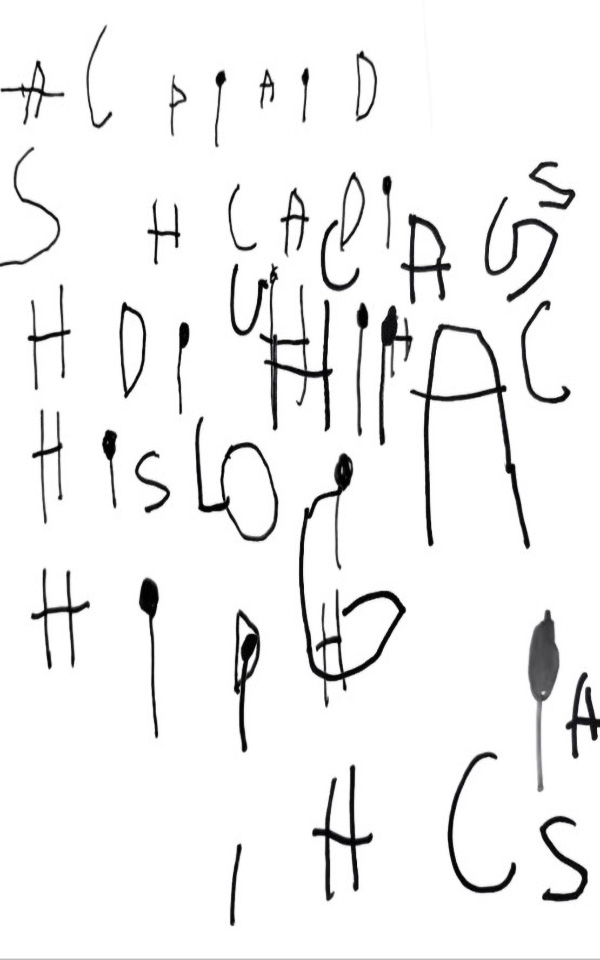
Luke: “A slug message, and another slug message but I don’t know what they are telling each other?”
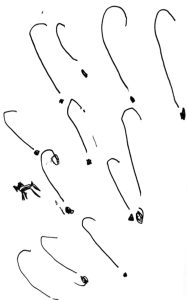
M draws slug messages in the shape of question marks
The events shared in these field notes linger with children’s questions of relationship with spiders, slugs, and other forest inhabitants, including trees, mosses, stumps, and leaves. The children’s propositions—that spiders and slugs have languages, that trails and webs might carry messages—continue to open possibilities for thinking with these more-than-human worlds and our entanglements within them.

* Children’s names are pseudonyms.
** In this field note, “we” refers to pedagogists and educators at times and to children, educators, and pedagogists at other times.